
Please be advised that SGS College will be closed from Friday 19 December, until Tuesday 6 January 2026.
We wish you a very happy and safe Christmas break.

Foundation Degree Zoological Management and Conservation

The Conservation and Education Centre at the former Bristol Zoo Gardens site remains open to students.

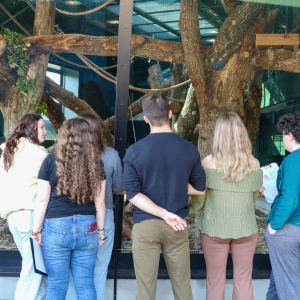
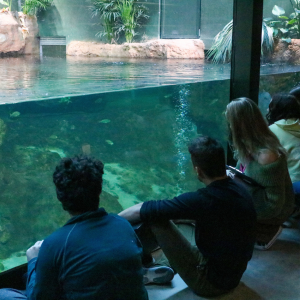
You will have private access to the zoo grounds during lectures, to carry out your observations and data collection, but as more animals are moved, this will gradually be carried out at the Bristol Zoo Project. This is a once in a lifetime opportunity.

Course Overview

If you are passionate about working with animals and sharing that enthusiasm with others, this specialist course could be the perfect choice for you. SGS College works in partnership with Bristol Zoological Society, with the Bristol Zoo Project serving as our campus.

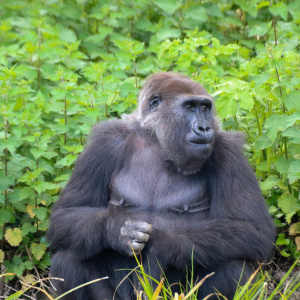
Studying within the grounds of a working conservation zoo provides a unique and inspiring learning environment that brings your studies to life. The course is delivered in collaboration with Bristol Zoological Society’s Higher Education and Conservation Science Department, with BZS staff forming a key part of the teaching team. Many of these professionals are actively involved in conservation projects across more than 15 countries worldwide, giving you valuable insight into real-world conservation challenges. Our SGS teaching team also bring extensive industry experience from fields such as zoos, wildlife ecology and conservation, science communication, and education. This expertise is embedded throughout the course, ensuring that teaching reflects current professional practice in the zoological and conservation sectors. Learning and Teaching.

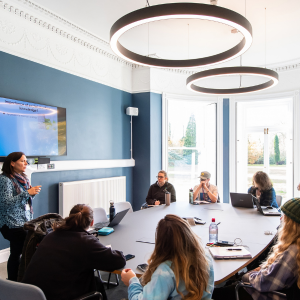
You will learn through a range of engaging teaching methods designed to develop both theoretical knowledge and practical skills. These include Lectures and interactive workshops, Practical sessions and field-site visits Study trips, including UK residential and international opportunities Guest lectures from industry professionals’ sessions with zoo staff such as keepers and veterinarians. Online talks delivered live by conservation experts from around the world. Assessment methods are designed to reflect the variety of skills needed in the zoological and conservation industries. These include written coursework, presentations, portfolio development, practical workbook completion, management plan development, and independent research projects. The course includes one exam at Level 4 only.

Work Experience and Practical Skills Work experience placements form a key element of the FdSc Zoological Management and Conservation. These placements allow you to gain essential hands-on experience, while applying the knowledge and skills developed during your studies. This practical experience helps you build industry-relevant skills, link theory with real-world practice, and strengthen your future employment opportunities in the zoo and wildlife conservation sector.

Students who progress to the Level 6 top-up year, will further develop their knowledge of zoological management and conservation, alongside advanced skills in communicating conservation science to different audiences. You will gain a deeper understanding of the role of modern zoos and aquariums in global conservation, including the One Plan Approach. Taxa-specific modules will provide detailed knowledge of managing a wide range of species for conservation, supported by real-world conservation case studies.

Flexible study options part-time study routes are available. For further information, please contact the Higher Education Admissions team at HEadmissions@sgscol.ac.uk

No items found.
Study Modules
ZMC4001
Professional Industry Skills
keyboard_arrow_down

This is a skills-based module which aims to support and enhance the development of subject-based, generic and practical key skills. It integrates many areas of study, such as the development of professional standards of academic writing and communication, biology, research and analytical skills. Students will acquire real-world knowledge and skills that reinforce the understanding of academic subjects. These will include subjects such as, practical animal husbandry, academic reading and referencing and practical ecology and conservation. Work experience will provide an opportunity for the practical application of theory learned in taught sessions across the programme. A reflective review will be produced, to document skills development and reflect on professional skills needed in industry, observed during work experience which will consist of a minimum of 60 hours within the animal management and conservation sector. An introduction to research and key analytical skills will develop knowledge of scientific study within the natural sciences and conservation sector. You will carry out data collection and analysis of the results.

50% Assignment 1,250 words or equivalent

50% Portfolio 1,250 words or equivalent

ZMC4002
Biology of Animals
keyboard_arrow_down

This module will cover the biological principles that underpin the study of animal management and the fundamental processes of living organisms. Practical sessions will enable students to gain knowledge of animal physiology and an understanding of the reproductive and skeletal adaptations throughout the animal kingdom. The module will allow learners to develop knowledge of the key biological requirements that should be considered when managing captive animal populations.

60% Portfolio 3,000 words or equivalent

40% Unseen, closed book exam 2 hours (2,000 words equivalent)

ZMC4003
Zoo Animal Welfare, Health and Husbandry
keyboard_arrow_down

This module examines the key issues relating to the welfare, health and husbandry of captive animals; how animal health and welfare can be both psychological and physical. Through the use of lectures, discussion forums, critiques of welfare documentaries, welfare auditing workshops, guest speakers and visits to UK zoos students will learn about the husbandry practices commonly used in modern zoo animal management.

50% Presentation 10 mins + 5 mins Q&A (2,500 words equivalent)

50% Assignment 2,500 words or equivalent

ZMC4004
Animal Behaviour Studies
keyboard_arrow_down

This module will provide a framework for understanding and interpreting animal behaviour patterns across a range of species. Students will develop a detailed understanding of how behaviour develops throughout an animal’s lifetime and the impact of that behaviour on their survival and reproductive success. Through practical activities concepts of animal behaviour study will be taught and practiced enabling students to successfully record and interpret behaviour.

100% Assignment 2,500 words or equivalent

ZMC4005
Taxonomy and Biological Identification
keyboard_arrow_down

This module will look at systematics and the theory of evolution as applied to the study of diversity within the animal kingdom. It will provide the underpinning knowledge and skills required to accurately and scientifically identify, name and classify a range of animal species. Practical skills in specimen collection and recording will also be learnt, as this practice plays a vital role for zoos that breed and manage animals for conservation programmes.

100 % Portfolio 2,500 words or equivalent

ZMC4006
Zoos and Aquariums in Society
keyboard_arrow_down

Through the millions of visitors who visit them, zoos and aquariums can help people engage with the natural world and make use of that contact to achieve conservation goals. Conservation relies on the collaborations between zoos and aquariums and many partners both in and outside the conservation world. Through a series of lectures, workshops and site visits, students will examine the many different facets of a zoo and aquariums in the 21st century and the roles of those working in the industry.

100% Assignment 2,500 words or equivalent

ZMC5006
Research Methods and Design
keyboard_arrow_down

Animal management is a wide and varied field of study, requiring an interdisciplinary approach. Throughout this module, students will further develop research skills through lectures, classroom workshops and practical sessions. Skills will include: effective literature and information searching, hypothesis generation, data collection and analysis and scientific writing. Knowledge of how to design, plan and undertake scientific investigations within zoos and aquariums will be gained via critical evaluation of current research and students will collect data for analysis and presentation. Students will build on the research and statistical analysis skills gained at Level 4. Equipped with the knowledge to plan, conduct and analyse scientific research, students will have developed a combination of research, practical and communication skills that will prepare them for their dissertation at Level 6.

80% Assignment 2,400 words or equivalent

20% Presentation 3 mins + 5 mins Q&A (600 words or equivalent)

ZMC5002
Zoo Nutrition
keyboard_arrow_down

This module will consider the structure and function of nutrients and link them to diet provision within a captive animal setting. It will take into account health and disease, food presentation and the use of diet in enrichment. Areas to take into consideration when creating diet plans will be discussed and nutrition computer packages will be used where relevant. Students will be able to review a species set up and condition and develop an appropriate diet to meet its nutritional needs, including the provision of dietary supplements where necessary in captive environments.

100% Open Book Exam 24 hours (3,500 words equivalent)

ZMC5005
Applied Zoo Animal Behaviour
keyboard_arrow_down

This module will apply knowledge gained in Level 4 to the practice of managing captive animal populations. Protocols used to manage animals during events such as introductions and mating will be devised and evaluated. Scenarios will be presented to ensure students can create management strategies that would be effective for a variety of populations at different zoos. Methods of creating mixed exhibits and managing environments for large social groups, for example, will be reviewed and assessed.

50% Assignment 3,000 words or equivalent

50% Group presentation 40 minutes + 5 minutes Q&A (3,000 words or equivalent)

ZMC5004
Reproduction and Population Management
keyboard_arrow_down

This module will look at how captive populations are managed and provide an introduction to genetics and inheritance for the purpose of animal selection and breeding. A large majority of captive animal organisations carry out specialised population management programmes for conservation and this module will utilise stud books and zoo records to identify procedures for selecting animals for breeding. The module will cover all aspects of managing breeding to ensure maintenance of health and psychological wellbeing as well as maintaining sustainable captive populations. Workshops will be carried out to develop skills in managing stud books and selecting species for breeding.

100% Assignment 3,000 words or equivalent

ZMC5003
Enclosure Design and Enrichment
keyboard_arrow_down

Enclosure design will consider animal and human requirements, covering modern husbandry methods, health and safety, economics, sustainability and visitor experience. Environmental enrichment will be covered for a variety of taxonomic groups, considering their adaptations and the management of desirable and undesirable behaviours. The key steps of design, implementation and evaluation of enrichment will be considered, developing a critical view of current practices as well as proposing opportunities for further research.

50% Presentation 15 minutes + 5 mins Q&A (3,000 words equivalent)

50% Assignment 3,000 words or equivalent

ZMC5001
Industry Experience
keyboard_arrow_down

This module includes at least 60 hours of work experience to help students develop key employability skills through workshops, practicals and work experience. Students will develop knowledge of researching, applying and obtaining work experience opportunities within the animal management industry. Transferable skills such as teamwork, presenting effectively and professionalism will be developed. Guest speakers and visits from external organisations will introduce students to the professional skills required for the industry and expectations of future employers. Visits to captive animal settings to carry out practical sessions will also develop knowledge of the industry and professional/ managerial working environments.

50% Portfolio 1,500 words or equivalent

50% Presentation 600 words + 10 mins Q&A (1500 words equivalent)

Course Video
Deborah Berry
Programme Lead for BSc Zoological Management and Conservation
*This programme is subject to validation and delivery approval by the University of Gloucestershire.
APPLICATIONS FOR SEPT 2025 ENTRY ARE NOW CLOSED FOR THIS COURSE.APPLY VIA UCAS FOR FULL-TIME STUDY
(FULL-TIME)
APPLY ONLINE FOR FULL-TIME STUDY
(FULL-TIME)
APPLY ONLINE FOR PART-TIME STUDY
(PART-TIME ONLY)
SGS Level 3 Guarantee Offer Scheme
Campus:
Bristol Zoo Project
Level:
Foundation Degree
Full-time Duration:
2 Years
Full-time Fee (Per Year):
£8,500
Part-time Duration:
4 Years
Part-time Fee (Per Year):
£4,250
UCAS Application Code:
2X6L
UCAS Entry Tariff:
64
Entry Requirements

Level 3 qualifications and GCSE English and Maths grade C or 4. SGS recognises the individual nature of each application and our typical offer should be viewed as a guide. SGS welcomes interest from mature applicants who may not have the standard entry requirements. We will consider evidence of your relevant personal, professional or educational experience where it demonstrates an ability and potential to succeed on the course. Please include details of any relevant experience in your application. If English isn't your first language you will need to undertake an IELTS qualification achieving an overall grade of 6 with no less than 5.5 in any band (or equivalent)

Course info last updated:
March 9, 2026
Full-Time
Part-Time
Delivery Format

The delivery format for your degree-level programs is primarily face-to-face and in-person sessions. However, there may be some hybrid sessions offered occasionally, mainly for flexibility purposes, such as tutorials or for larger events like visiting lecturers. Additionally, it's mentioned that all degree programs are well-supported by Virtual Learning Environments, which include Teams or Google Classroom.

Additional Cost Information

No items found.
Similar Courses
No items found.